

Education systems shape not only how children learn but also how they understand belonging, fairness, and participation in society. Over time, several ideas have come to guide my work at the intersection of justice, education and inclusion.
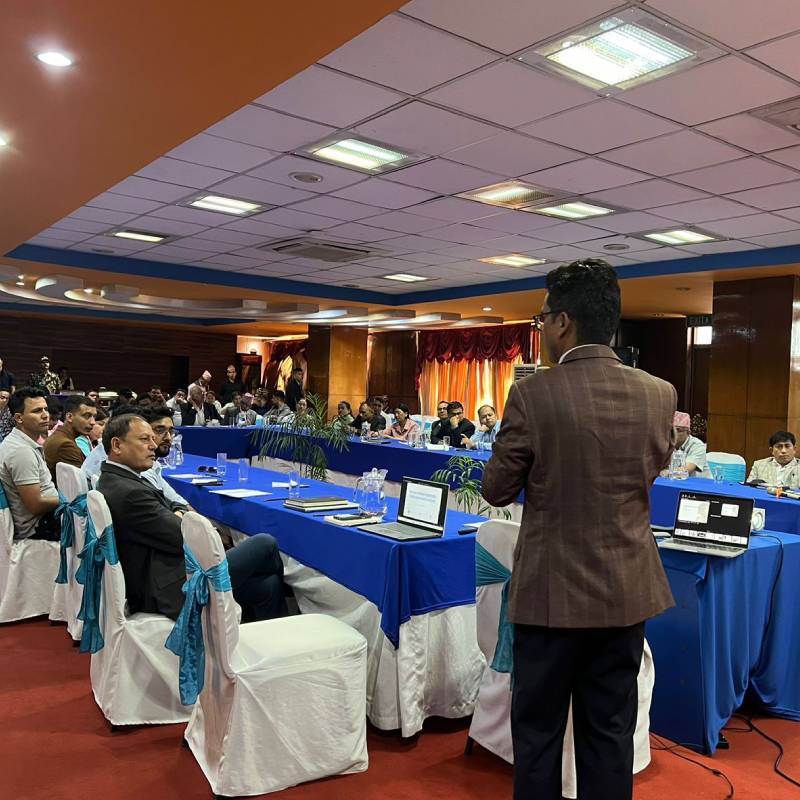
These ideas are not abstract theories. They emerge from experiences working with educators, communities, and institutions seeking to build learning environments where every child can thrive.
Justice Begins in Classrooms
When people think about justice, they often imagine courts, laws, and punishment. Yet long before individuals encounter these institutions, they experience environments that shape their sense of dignity and belonging.
For many children, school is the first place where they experience fairness, participation, and respect—or the absence of it.
Inclusive classrooms help children understand that diversity is normal and that everyone deserves an opportunity to participate. Exclusionary environments, on the other hand, can reinforce inequality and marginalization.
For this reason, building inclusive education systems is not only an educational priority. It is a foundational step toward creating more just societies.
Fix the System, Not the Child
When children struggle in school, the common response is often to focus on changing the child—through labeling, remediation, or exclusion. Yet many difficulties arise not because children are incapable of learning, but because education systems were not designed with diverse learners in mind. Approaches such as Universal Design for Learning demonstrate that when learning environments become flexible and inclusive, more students are able to participate meaningfully. Instead of asking how children can adapt to rigid systems, we should ask how systems can adapt to children.
Inclusion Is Justice
Inclusion is often misunderstood as charity or accommodation. In reality, it is a matter of fairness and dignity.
Education systems that exclude or marginalize learners with disabilities or diverse needs deny children opportunities to participate fully in society.
Inclusive education recognizes that diversity is a natural part of human communities. When schools embrace this diversity and design learning environments that support all learners, they help create societies that value participation and equity.
Safe Schools, Healthy Societies
Children cannot learn effectively if they do not feel safe. Safeguarding in education is therefore not only about protection from harm. It is about creating environments where children feel respected, supported, and able to participate without fear. Schools that prioritize safeguarding help nurture trust, empathy, and emotional wellbeing. These qualities extend beyond classrooms and contribute to healthier communities and societies.
The Guiding Conviction
These ideas continue to evolve through conversations with educators, researchers, and communities working to strengthen education systems. They guide my efforts to support schools, institutions, and policymakers seeking to build learning environments where every child belongs. Ultimately, these ideas return to a simple conviction that guides my work:
Justice begins in classrooms.