There is a central concept that has been totally neglected so far in the ongoing debate about the events of the uprising of September 8 and 9 and what will come next.
In the aftermath of tragic human losses and the subsequent personal suffering affecting hundreds of families whose daughters, sons, husbands, and wives lost their lives, Nepal must reckon with the need for a process of national reconciliation, or at least for facing the past and dealing with it.
Talking about national reconciliation should not be seen merely as an imperative to heal the psychological trauma of many people who have been directly and indirectly affected by violence.
It can also be seen as an opportunity to turn a page in the country’s modern history by addressing a deeply painful episode that should be examined through the lens of past injustices that were never resolved. Needless to say, it is also about recognising the contributions made by those who gave up their lives to give the country a new beginning.
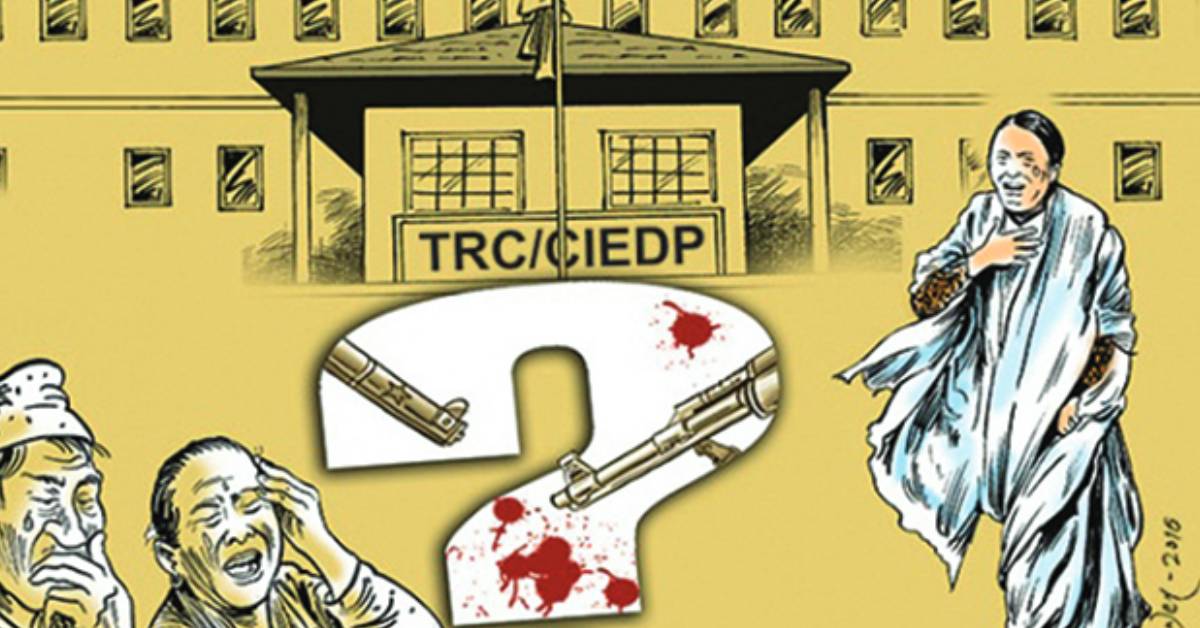
Nepal’s armed conflict from 1996 to 2006 witnessed many acts of violence that have never been addressed by transitional justice mechanisms, which have been weakened by a lack of political will, compromising their overarching goals and operations. The same can be said of the episodes of violence that characterised the Madhes Movement in its three phases between 2007, 2008, and 2015.
All these political events, despite being different in nature and occurring in distinct phases of Nepal’s modern history, shared a common thread: the quest for social justice and dignity—and, unfortunately, the neglect of victims’ rights and calls for accountability.
Current Affairs Newsletter
The frustrations that pushed thousands of youths onto the streets on September 8 were not only about opposing a ban on social media. Even frustrations related to corruption and nepotism should be viewed from a broader perspective—the affirmation of inalienable rights that, for far too long, have been neglected and never implemented. As one Gen Z leader, Bibhu Pahadi, remarked, “It was frustration piled up from seeing how the government and the state as a whole were becoming non-responsive to people’s demands, at the cost of people’s taxes.”
One may disagree on the causes of the September 8 incidents, but the undeniable truth is that more than 74 lives were lost, hundreds were injured, and the country has been left with deep rifts and divisions.
Read More:
https://myrepublica.nagariknetwork.com/news/nepal-cannot-heal-without-national-dialogue-25-24.html